



Updated 18 November 2026: 12 selection criteria, 6 warning signs and a grid for comparing two quotes added; price ranges for the corporate video and the institutional film published.
A production company organizes the making of audiovisual content: preparation, crew, shoot, editing and delivery, depending on the project. At Biux, an audiovisual production company in Paris, the same team handles these steps from brief to delivery. A video agency can also work on the message, the format strategy and how the videos will be used. A studio often refers to a creative outfit or a production space, while a freelancer brings one skill or a personal scope of work. The actual scope can be read in the services and responsibilities described in the quote. To choose, check who writes, who directs, who approves and who remains responsible until delivery. Also compare references, resources, rights and the versions expected. The right provider is the one whose scope matches your needs and your in-house resources. A large team is no substitute for a clear point of contact, and a small setup can suit a well-defined project.
Production company, studio and agency: who does what?
A production company handles the making of the content within an agreed scope. It can coordinate different trades and organize the resources needed. Some also step in very early, at the concept stage; others work from a script or a brief that has already been defined.
A video agency can help choose the message and formats, then produce the content. A communications agency may cover a broader scope and hand the production over to partners. These organizations do not fit into watertight boxes. Ask how the project will actually be handled.
The word studio can refer to a specialized team, particularly in animation, or to an equipped space. It does not automatically mean that every service is carried out in the same place. A corporate film may require shooting at your premises, at a client’s site or at a particular location.
Finally, a freelancer can work on directing, camera, editing or an entire project, depending on their skills. The right choice depends on your needs and your ability to coordinate the other tasks. Our comparison of a video agency or a freelancer goes deeper into this question.
How do you compare the four models without taking shortcuts?
The table compares how each type of provider works and what it is responsible for. A freelancer can work with a team; an agency can rely on partners. Check the people, responsibilities and deliverables of the actual project.
| Model | Scope to check | Price | Turnaround | Suitable if… |
|---|---|---|---|---|
| Production company | Production and coordination | Depends on resources and deliverables | Depends on the schedule | The production requires several trades |
| Video agency | Message, formats and production | Depends on the level of support | Depends on concept work and approvals | The need has to be structured |
| Freelancer | Specific skills and limits | Depends on the assignment | Depends on availability | The scope is well defined |
| In-house | Skills actually available | Time and equipment | Depends on the teams’ workload | The need is recurring and under control |
Do not look for an automatic ranking from cheapest to most expensive. A partial proposal may look attractive while leaving you with the writing, the access and the coordination. A more complete proposal may cover these tasks. Compare what will remain your responsibility after signing.
Also look at continuity. Who knows the brief if the contact person changes? Where are the approvals? How is an absence or unavailability handled? These questions are useful for every model, without assuming that one particular structure would always be more reliable.
Advice from Kevin Renaud, founder of Biux
“I look at the questions a provider asks before I look at their equipment. A team that clarifies the audience, the proof and the approvals is already preparing the production. Then I ask who owns each decision, from brief to delivery.”
The 12 criteria for choosing a production company
Score each provider from 0 to 2 on each criterion: beyond the total, the grid shows where a proposal remains vague.
- Comparable references. Ask for two films close to yours in subject, audience and format: a showreel is not enough.
- A single point of contact. One person must carry your project from brief to delivery and answer for every decision.
- Writing included. If nobody writes the message in the offer, your team will be the one writing it.
- A named director. Ask who will direct the film, not just who is selling it.
- A quote itemized by line. Preparation, shoot, editing, graphics, music and versions each appear on their own line.
- Deliverables in black and white. Main film, short versions, 16:9 and 9:16 formats, languages: what is not written in the quote is not owed.
- A fixed number of revision rounds. The quote states how many rounds of feedback are included and what the next one costs.
- Rights that cover your uses. Music, footage and image rights must cover every planned distribution, paid advertising included.
- A schedule that includes your own steps. A good schedule also shows what your team needs to provide, and by when.
- Verifiable client reviews. Prefer recent public reviews, on Google or LinkedIn, to a wall of logos.
- A team able to shoot at your premises. Check the travel included in the quote if your sites are in other regions or abroad.
- Follow-up after delivery. Ask what is planned for late corrections, archiving of the footage and future variations.
Eight questions to ask before choosing
- How do you understand our need? The answer should restate the audience, the message and the use, not just propose a style.
- Which references are comparable? Ask what the team actually did on each example.
- Who works on the project? Identify who handles writing, directing, production and post-production.
- What do we need to provide? Clarify the texts, access, people and approvals expected from your team.
- What exactly are the deliverables? Distinguish the main film, excerpts, framings, languages and working files.
- How does the approval process work? Check the steps and how changes of scope are handled.
- What terms of use are planned? Uses, licensed elements and permissions must be clarified.
- What happens after delivery? Ask how the agreed corrections, updates and archiving are handled.
A good answer can acknowledge a limit. A provider who explains that an access has not yet been approved, or that a schedule depends on one person, is giving you useful information. An unconditional promise is not always a better commitment.
For footage and the people filmed, consult Service Public’s guidance on image rights (the French government’s information site) and have the conditions that suit the project checked. The technical quote alone does not settle every distribution use.
The 6 warning signs before signing
A single one of these signs warrants a question; two or more warrant comparing with another provider.
- No questions about your objective. A provider who quotes without asking who the film is for and what it should achieve will deliver a generic film.
- A lump-sum quote with no breakdown. A single price with no line items lets you neither compare nor discuss the scope.
- Nobody named to direct. If they cannot tell you who will direct, the decision will be made later, without you.
- References that cannot be verified. Excerpts with no client name, date or public link prove very little.
- Rights and versions missing from the quote. A quote that says nothing about music, uses and formats signals extra charges after delivery.
- A deadline that ignores your approvals. A schedule with no review time for your team will be met at the expense of quality, or not met at all.
Comparing two quotes line by line
Compare quotes item by item, for the same scope, never on the total alone. As a benchmark, Biux charges €3,000 to €12,000 excl. VAT for a corporate video and €4,000 to €15,000 excl. VAT for an institutional film; the other formats are listed on our Pricing page.
| Quote line | What to look for |
|---|---|
| Preparation and writing | Who writes the message, the script and the shooting plan |
| Shoot | Number of days, locations and people on the crew |
| Speakers | Number of people filmed and preparation of the interviews |
| Editing and graphics | Length of the film, titles, subtitles, animations |
| Music and rights | Music license, uses covered and duration of the rights |
| Versions delivered | 16:9 and 9:16 formats, short versions, languages |
| Revision rounds | Number of rounds included and price of an extra round |
| Turnaround | Delivery date and steps that depend on your team |
To compare two proposals side by side, print our grid: one column per provider, one row per line item, and the total for the same scope at the bottom of the page.
Biux delivers the corporate video 15 days after the shoot. The teaser is delivered within 48 hours of the shoot, 3D motion design takes 3 to 5 weeks and the brand film 4 to 8 weeks. Preparation for the shoot takes place ahead of the shooting date.
Landscape 16:9 and vertical 9:16 deliveries must be specified according to their uses. A new language or a new film structure may require different work from a simple reframe. YouTube’s encoding recommendations also show why exports must be suited to their destination.
Ask for a schedule that includes the contributions expected from your company. If people are unavailable or the facts have not been approved, production may be pushed back. A shared calendar should make these dependencies visible.
Three Biux productions to assess different skills
A showreel gives a general impression. Complete projects give a better sense of the ability to handle a subject. The following references illustrate three distinct formats, without attributing an undocumented budget or result to each client.
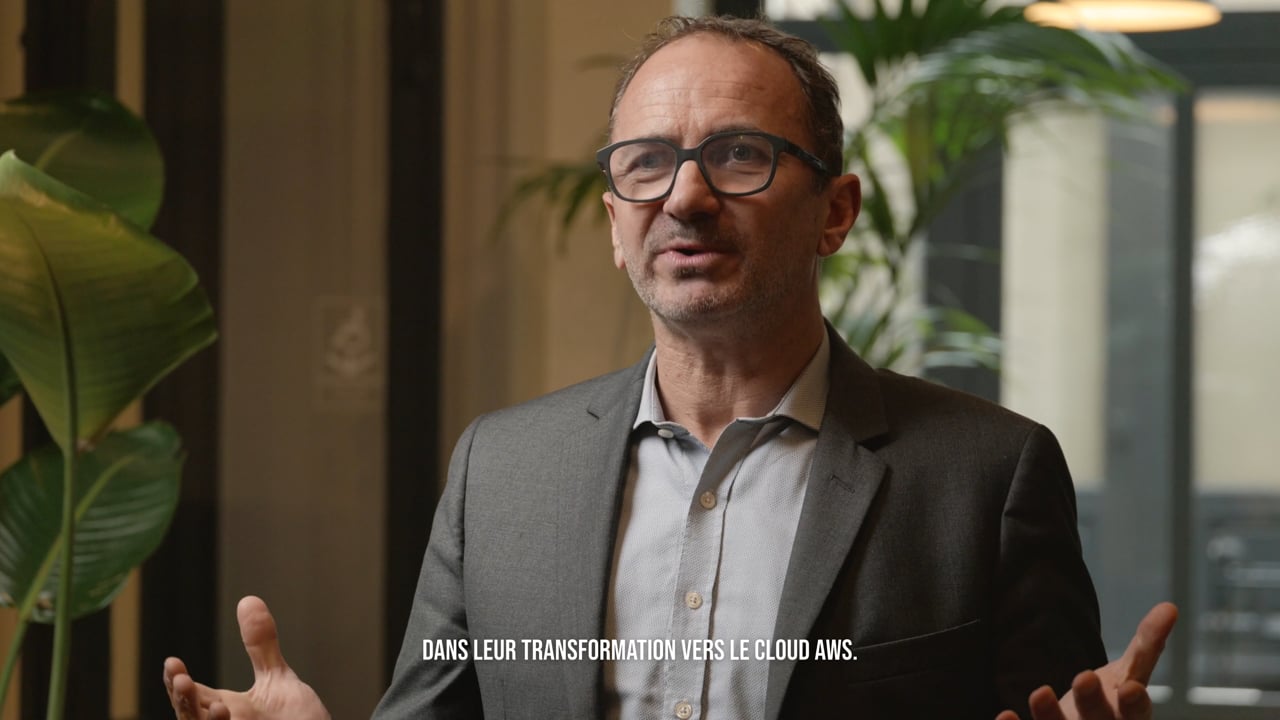
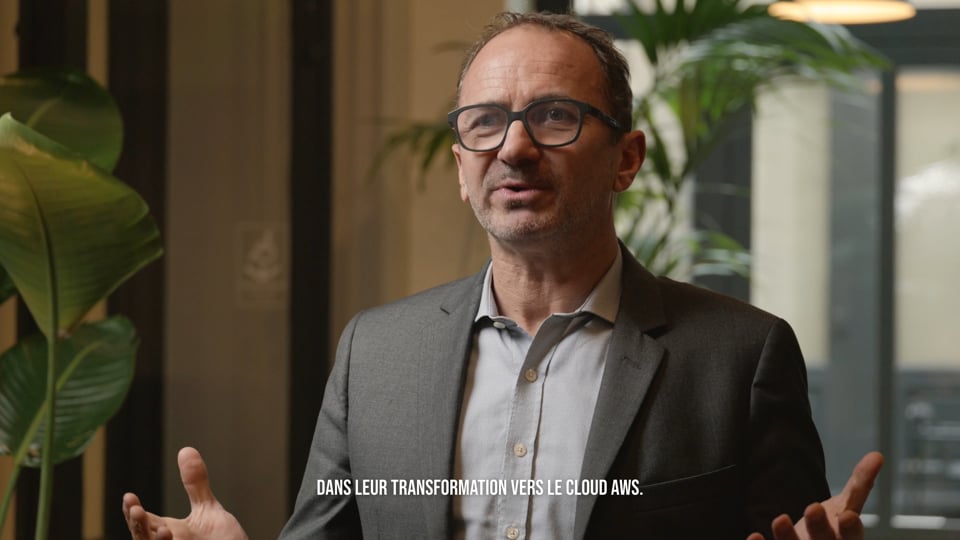
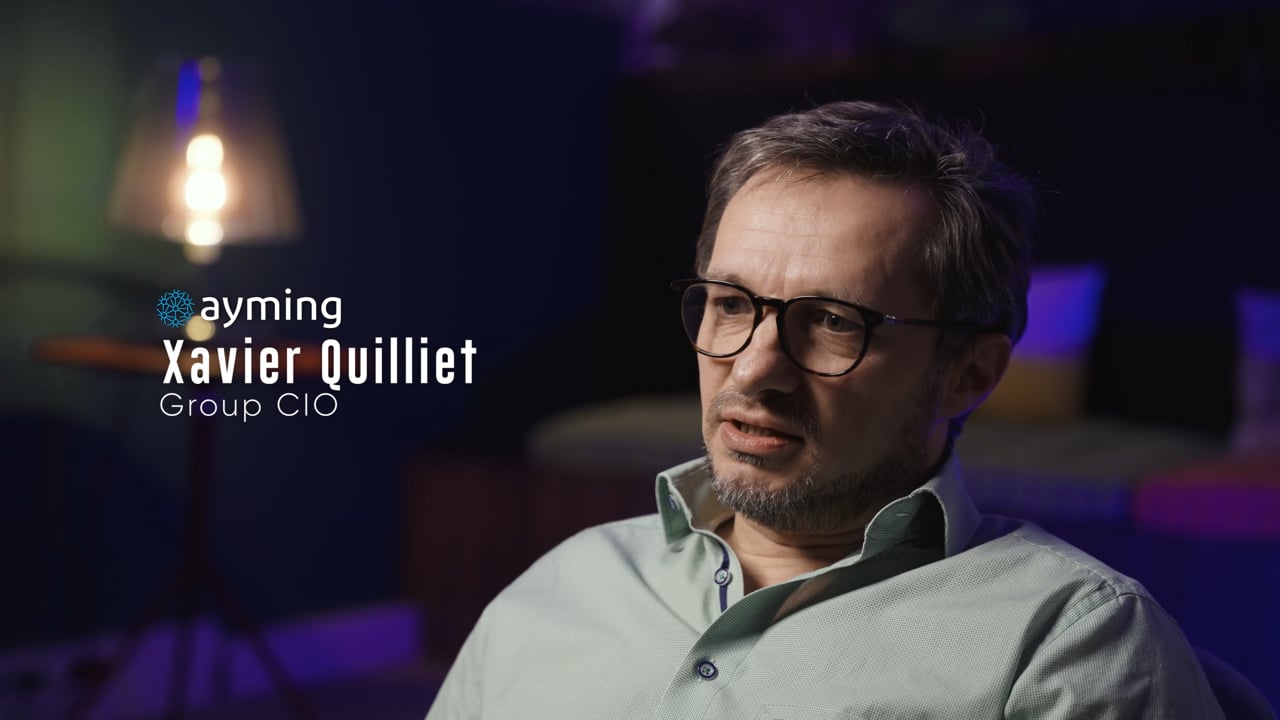
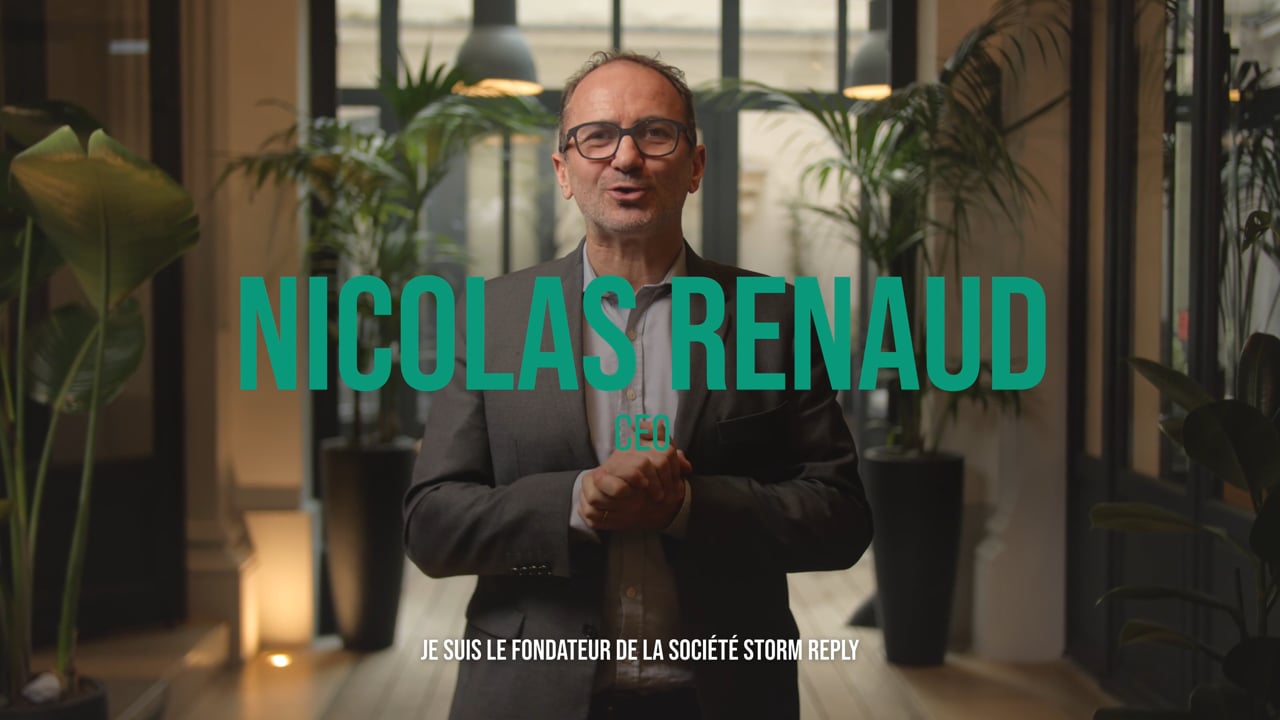
Storm Reply: presenting a company
Storm Reply presents its cloud expertise and its team in 2 min 02 s. The testimonials connect a technical activity to its practices.
0:00 activity · 0:31 expertise
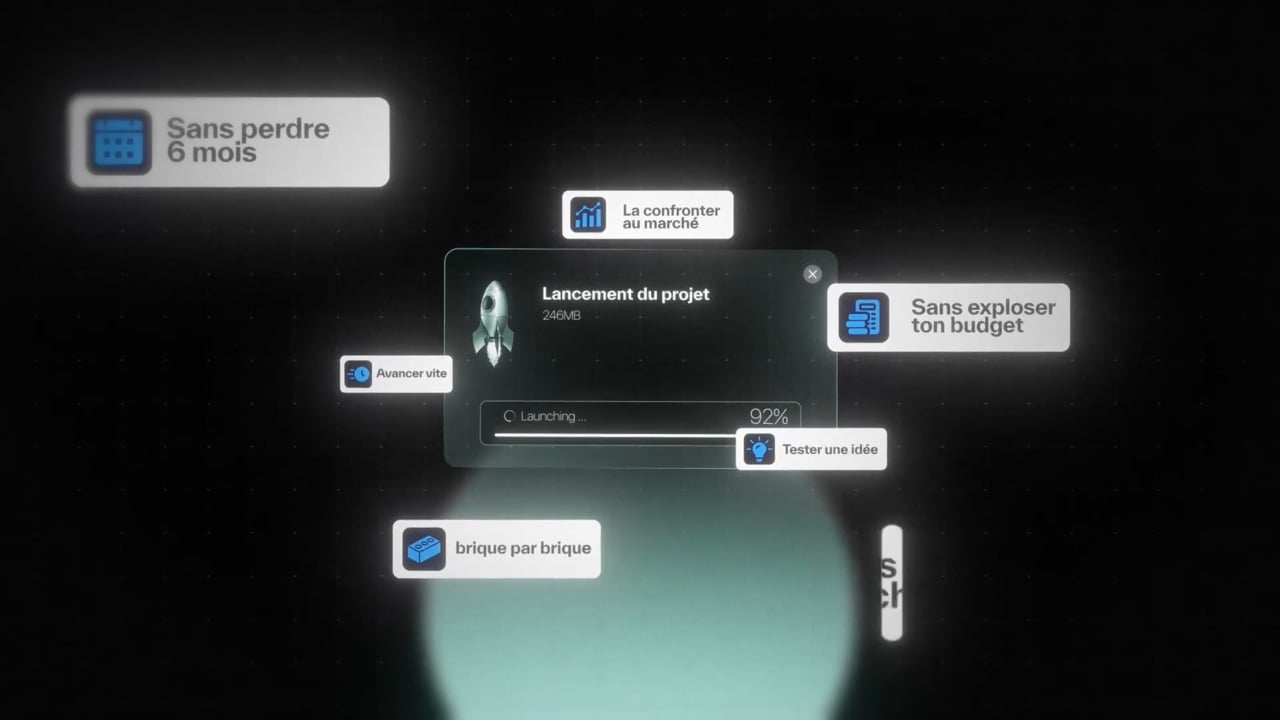
Predilis: explaining through animation
Predilis presents prevention journeys and interfaces in 2 min 05 s. The motion design visually organizes how the software is used.
0:00 needs · 0:30 interfaces
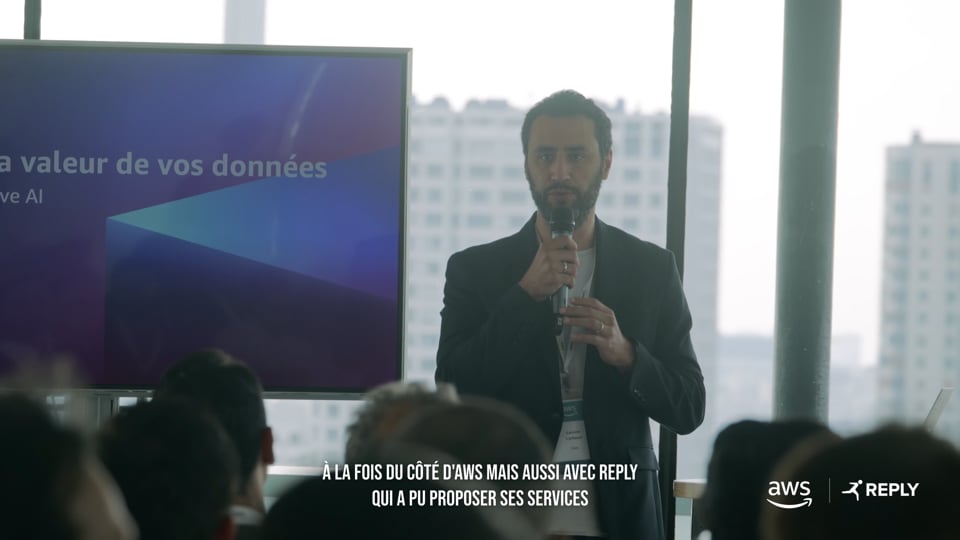
AWS and Reply: recounting an event
AWS and Reply alternate feedback and event talks in 1 min 55 s. This aftermovie conveys what the meeting was about.
0:00 partnership · 0:12 feedback
When should an SME produce in-house or get outside support?
A company can produce some content itself and outsource other projects. A regular internal explanation, shot in a controlled environment, does not always require the same support as a high-profile launch or a film intended for several audiences.
Look at frequency, skills and risk. If your team knows how to write, record clean sound and edit efficiently, in-house production can make sense. If several trades need to be coordinated, or if the consequences of a failure are significant, outside support can reduce the organizational burden.
Assess the total time, not just the shooting day. Retakes, approvals and adaptations also take up people’s time. Compare these scenarios without artificially pitting the two solutions against each other.
A hybrid model can be relevant: your team provides the topics and access, while the production company structures the story and the deliverables. The condition is to describe the responsibilities. A vague collaboration can cancel out the advantages of each organization.
Reading a proposal without being guided by the portfolio alone
A spectacular reference may have been produced under conditions very different from yours. Ask what is comparable: the subject, the constraints, the audience or the setup. A precise answer will help you understand how the team would adapt its approach, without promising to reproduce exactly the same result.
Then look at the gray areas in the quote. Are the versions named? Are the feedback rounds organized? Does the schedule show what depends on your team? A proposal can stay concise while answering these questions clearly. The number of pages is not an indicator of precision.
Finally, ask a scenario question: what happens if a speaker becomes unavailable or the message changes after the shoot? The answer should specify how decisions are made, who is responsible and how the cost and schedule of a redo are assessed.
This discussion also lets you check the working relationship. A good partner can explain that a request requires a trade-off or an addition. They should be able to describe what it changes, rather than systematically replying that everything is possible within the same timeframe.
Keep the important decisions in writing within the approved scope. They will serve as a reference during production and make discussions easier when a change is needed. Trust also rests on this shared clarity, not just on a good first impression.
The right partner helps you turn a need into a clearly organized production, defining the resources, responsibilities and deliverables of your project from the start.
Explore related guides
Discover how Biux organises a production with its in-house team.